
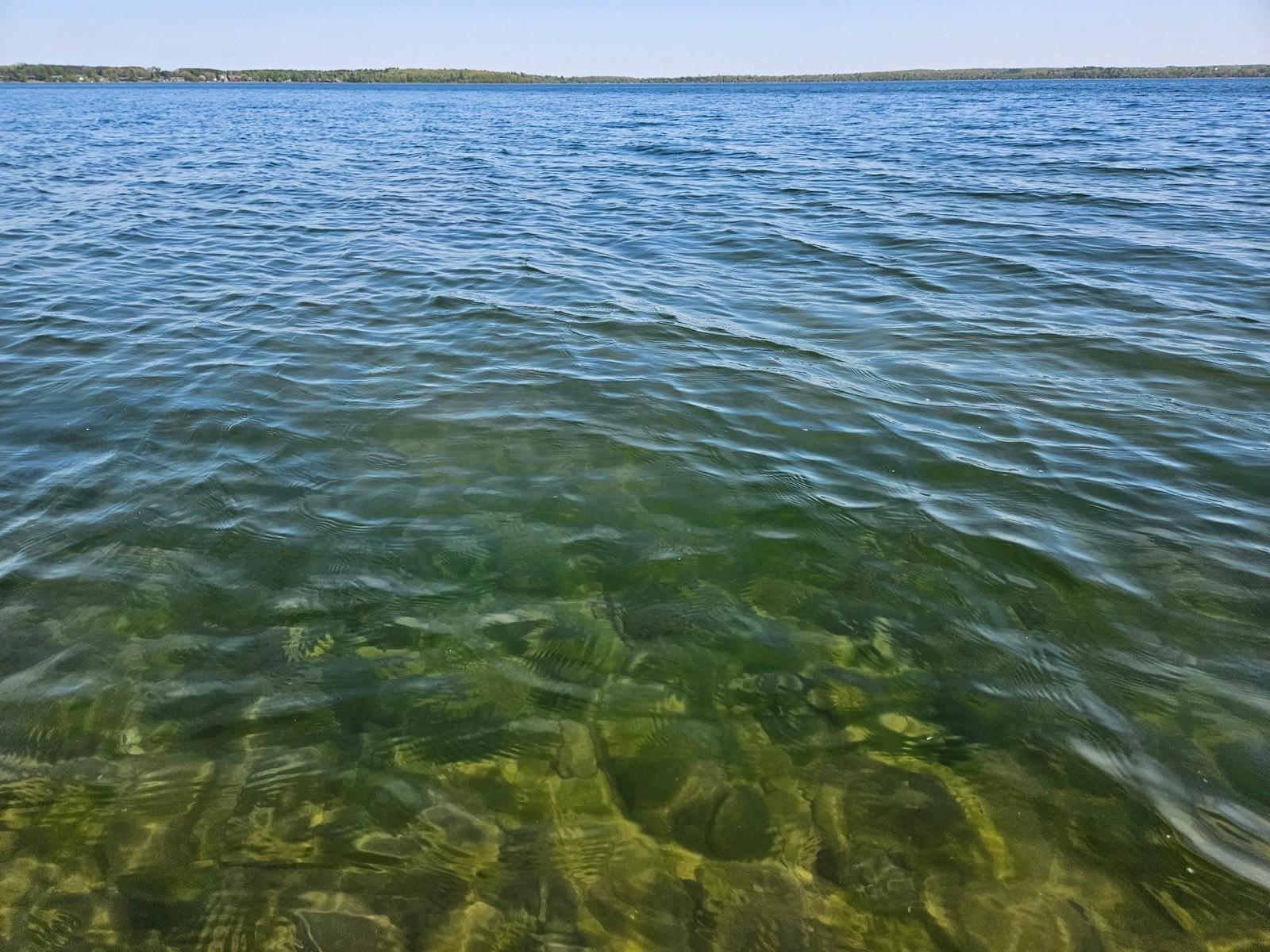
The Clearest Lakes in Northern Wisconsin
DNR water clarity data reveals Wisconsin's most pristine lakes — and how to find them
The Short Answer
The clearest lakes in northern Wisconsin are oligotrophic — low-nutrient, low-algae — and measured by Secchi disk depth. Shell Lake in Washburn County and Crystal Lake in Vilas County are consistently among the top in the state. Water clarity correlates with sandy bottom type, limited agricultural runoff, intact forested shorelines, and natural depth.
Why Water Clarity Matters
Water clarity is one of the biggest factors that shapes your experience on a Wisconsin lake. It affects everything from how the water looks, to how it feels to swim in, to how easy it is to catch fish.
In simple terms, water clarity is how deep you can see into the lake. It’s officially measured using something called a Secchi disk—a black-and-white disk lowered into the water until it disappears. The depth at which it vanishes is called the Secchi depth. Around 2 meters is considered average, 5 meters is very clear, and anything over 10 meters is exceptionally clear and relatively rare, even in northern Wisconsin.
But for most visitors, what matters is what that clarity actually means on the water. Clear lakes tend to be more visually striking. You’ll notice it right away—water that looks blue or emerald instead of dark or murky, shorelines you can see into, and sunlight reaching deeper into the lake. These lakes are often considered some of the most beautiful in the state and are especially popular for swimming, kayaking, and just relaxing by the water.
Swimming is typically better in clearer lakes for a few reasons. You can see where you’re stepping, which makes it feel safer and more comfortable, especially for kids. The bottoms are often sandy or rocky rather than mucky, and the water tends to feel "cleaner" overall. That said, clarity doesn’t eliminate all risks. Swimmer’s itch can still occur even in very clear lakes, since it’s caused by microscopic parasites rather than visible water quality. It’s always a good idea to towel off or rinse after swimming, especially if you’ve been in the water for a while.
Fishing is where clear water can actually work against you. In very clear lakes, fish can see you just as easily as you can see them. That often makes them more cautious and harder to catch, especially during the day. Anglers usually have better luck fishing deeper, using lighter line, or going out early in the morning or at dusk when fish are more active and less wary.
For travelers, choosing a clear lake usually means:
Better swimming conditions More scenic views and clearer water color Great paddling and visibility A quieter, more natural setting
The tradeoff is typically more challenging fishing and, sometimes, colder water temperatures. If you’re searching for the clearest lakes in Wisconsin, you’re really looking for that combination of beauty, swim-ability, and a more pristine, northern WI feel.
Top Clear-Water Lakes in Northern Wisconsin
High Secchi disk readings confirmed by DNR monitoring data.
Shell Lake
Washburn County
Fish Species
Shell Lake: Washburn County's Clearest Lake
Shell Lake is a standout in DNR clarity data for Washburn County — a 2,513-acre lake with consistently high Secchi disk readings across annual monitoring cycles. The lake sits in a glacial basin with a sandy and gravel bottom, minimal watershed disturbance, and a depth (to 36 feet) that creates strong thermal stratification and keeps the epilimnion (surface layer) cold and clear through summer.
On a calm, sunny July afternoon, you can see the bottom in 15–18 feet of water at Shell Lake — a visual experience that's increasingly rare in Wisconsin lake country. The clarity also makes it exceptional for snorkeling, kayaking, and paddleboarding, where visibility into the water column is part of the experience. Stay Northern manages Wisconsin cabin rentals on Shell Lake and other clear-water lakes nearby — direct booking, no platform fees.
What to Do on Clear Lakes
Snorkeling and underwater exploration
Clear Wisconsin lakes are surprisingly interesting underwater. The sandy-bottom structure, submerged vegetation, rock piles, and fish populations are visible to a mask-and-snorkel setup in 8–12 feet of water. Snorkeling near dock structure and weed edges on clear lakes like Shell Lake produces encounters with bass, panfish, and northern pike that most Wisconsin visitors never experience.
Kayaking and paddleboarding
Clear water transforms paddling from surface recreation to an immersive experience — you can see the bottom, the vegetation, and the fish while moving across the lake. A clear-water kayak (transparent hull) amplifies this considerably. The still mornings on oligotrophic northern Wisconsin lakes, with visibility into 15 feet of water, are one of the genuinely unique outdoor experiences in the Midwest.
Photography and underwater video
Clear Wisconsin lakes are excellent for underwater photography — GoPro-style cameras in clear water capture fish, bottom structure, and aquatic vegetation in detail that murky lakes can't provide. Early morning light on a calm, clear lake, photographed from just below the surface, produces images worth the trip.
How to Find Clear Lakes in Wisconsin
Use our lake finder tools to search for clear lakes and a variety of other filters.
Clear Lakes FAQ
What is the clearest lake in Wisconsin?↓
How do you measure lake clarity?↓
What makes a lake clear?↓
Related Guides
 Activities
Hidden Gems in Northern Wisconsin Most Tourists Never Find
The lakes, towns, and experiences that locals keep to themselves
 Activities
The Most Beautiful Lakes in Wisconsin
Crystal clear water, pristine shorelines, and the lakes worth planning a trip around
Ready to Book?
Browse lakefront cabins near Shell Lake — book direct, no service fees.
Browse Vacation Rentals →In This Guide
9 min read
Updated April 2026
Featured Towns