
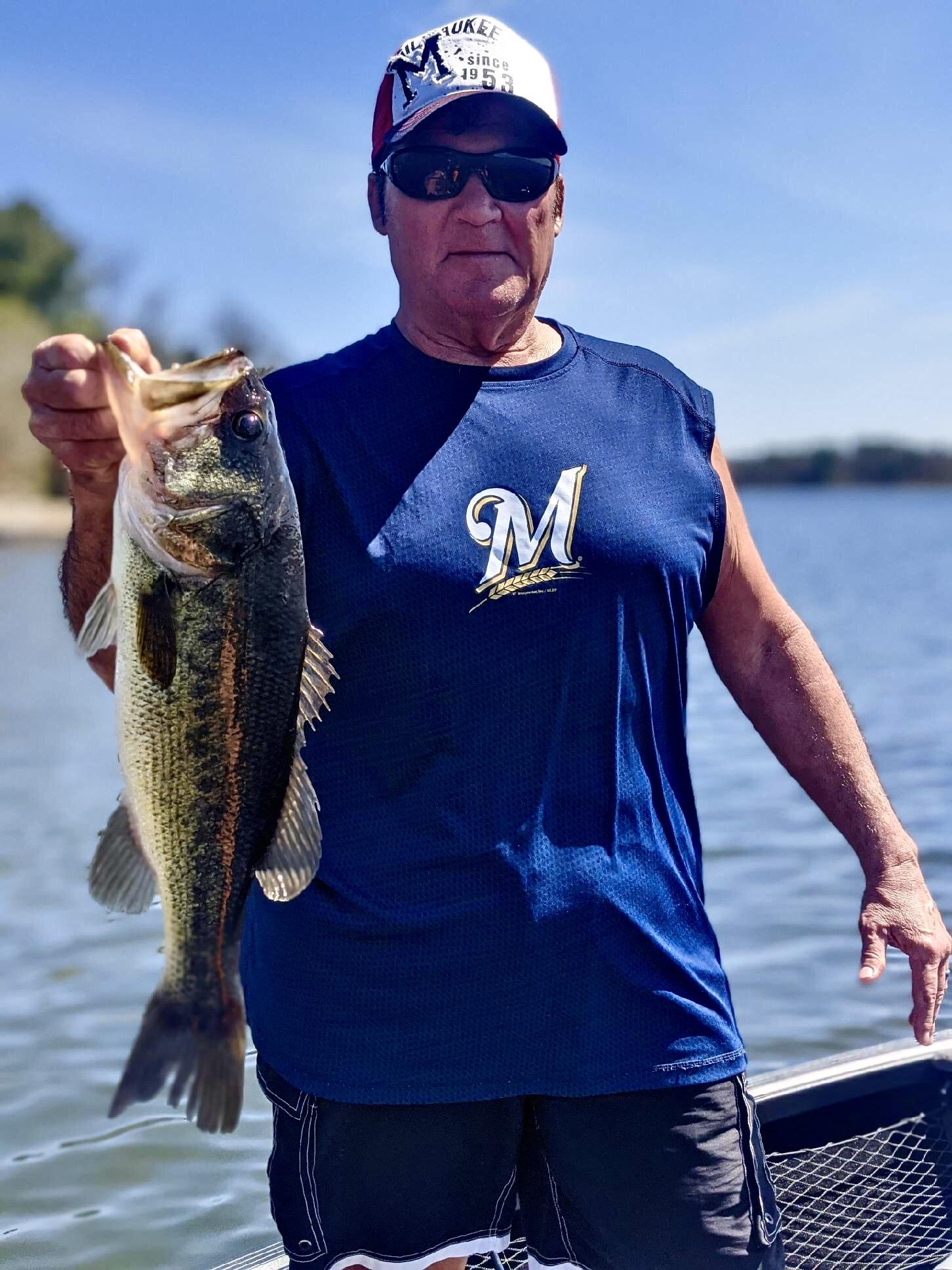
Bass Fishing in Wisconsin: The Complete Guide
Where to find largemouth and smallmouth bass across Wisconsin's northwoods lakes
The Short Answer
Wisconsin's northwoods lakes hold both largemouth and smallmouth bass in excellent numbers. Largemouth dominate the warmer, weedier lakes with dark soft bottoms; smallmouth prefer the clear, rocky lakes of the north. The Spooner and Hayward areas offer both species within a short drive. Peak bass season is late May through September, with the best topwater action in June–July at dawn and dusk.
Largemouth vs. Smallmouth Bass in Wisconsin
Wisconsin's northwoods lakes support both largemouth and smallmouth bass, and understanding which species uses which type of lake is the first step to catching fish. Largemouth bass prefer warmer water, weed cover, and darker soft bottoms — the kinds of lakes common in the southern and central northwoods where the water warms faster and aquatic vegetation grows densely. Look for largemouth along weed edges, under docks, in shallow bays with lily pads, and around woody debris in 4–12 feet of water.
Smallmouth bass favor the colder, clearer lakes of the far north — the granite-bottom, rocky-shore lakes of Vilas County and the deeper Washburn County lakes with clean gravel structure. Smallmouth relate to rock piles, gravel points, and submerged boulders in 6–18 feet of water. They're more sensitive to water temperature than largemouth and fish best when the water is between 60–75°F. Shell Lake, with its clarity and gravel structure, holds quality smallmouth alongside largemouth.
Many of the best bass lakes in northern Wisconsin hold both species, with smallmouth using the deep rocky structure and largemouth colonizing the weed-filled shallows. This gives you flexibility — you can switch presentations and target zones depending on which species is more active on a given day.
Bass Timing in Wisconsin
Wisconsin bass season opens the first Saturday in May. Pre-spawn bass (late May–early June) are in the shallows near spawning areas and highly aggressive — the best topwater fishing of the year. Post-spawn fish (late June–July) retreat to deeper structure but feed heavily. Fall (September–October) produces quality fish as bass feed aggressively before winter. Midday in midsummer is the worst time to fish; dawn and dusk account for the majority of bass caught.
Best Bass Techniques for Wisconsin Northwoods Lakes
Topwater at dawn and dusk — the most exciting bass fishing
In June and July, topwater lures (poppers, frogs, walking baits like the Zara Spook) worked over weed flats and along weed edges at first and last light produce explosive surface strikes. This is the premier Wisconsin bass experience. Use 15–20 lb braided line with a fluorocarbon leader for casting through weed cover.
Texas-rigged worm or creature bait — the year-round standard
A Texas-rigged 6–8 inch plastic worm in green pumpkin, watermelon, or black-blue is the most versatile largemouth presentation in Wisconsin. Work it slowly along weed edges, across points, and through gaps in vegetation. In summer heat, slow down the retrieve — bass become lethargic and prefer a bait that stays in the strike zone.
Drop shot for smallmouth in clear water
Clear-water Wisconsin lakes require finesse presentations for smallmouth. A drop shot rig with a 4-inch finesse worm (Roboworm, Zoom Trick Worm) on 8 lb fluorocarbon dropped vertically over rock piles and gravel structure at 10–20 feet is one of the most effective techniques on lakes like Shell Lake. Watch the line for subtle bites — smallmouth often just pick it up and hold it.
Swimbaits for big bass on weedy lakes
A 3–4 inch paddle tail swimbait on a 1/4 oz jig head retrieved steadily just above the weed tops produces quality largemouth through summer. This technique covers more water than a Texas rig and keeps the bait visible — effective for locating fish on unfamiliar lakes.
Top Bass Lakes Near Spooner
Multi-species lakes with proven largemouth and smallmouth populations.
Shell Lake
Washburn County
Fish Species
Lipsett Lake
Burnett County
Fish Species
Wisconsin Bass Regulations
Wisconsin bass season opens the first Saturday in May. The minimum size limit is 14 inches on most northern Wisconsin waters, with a daily bag limit of 5 bass (combined largemouth and smallmouth). Some designated trophy lakes have special regulations — 18-inch minimums or reduced bag limits. Always verify the specific regulations for the lake you're fishing at the Wisconsin DNR website (dnr.wisconsin.gov).
Catch-and-release is not required but is strongly encouraged for larger fish, particularly spawning females in late May and early June. Handling spawning bass gently and returning them quickly gives the fishery the best chance of sustaining itself long-term.
Stay on the Water — Bass Fishing Cabins
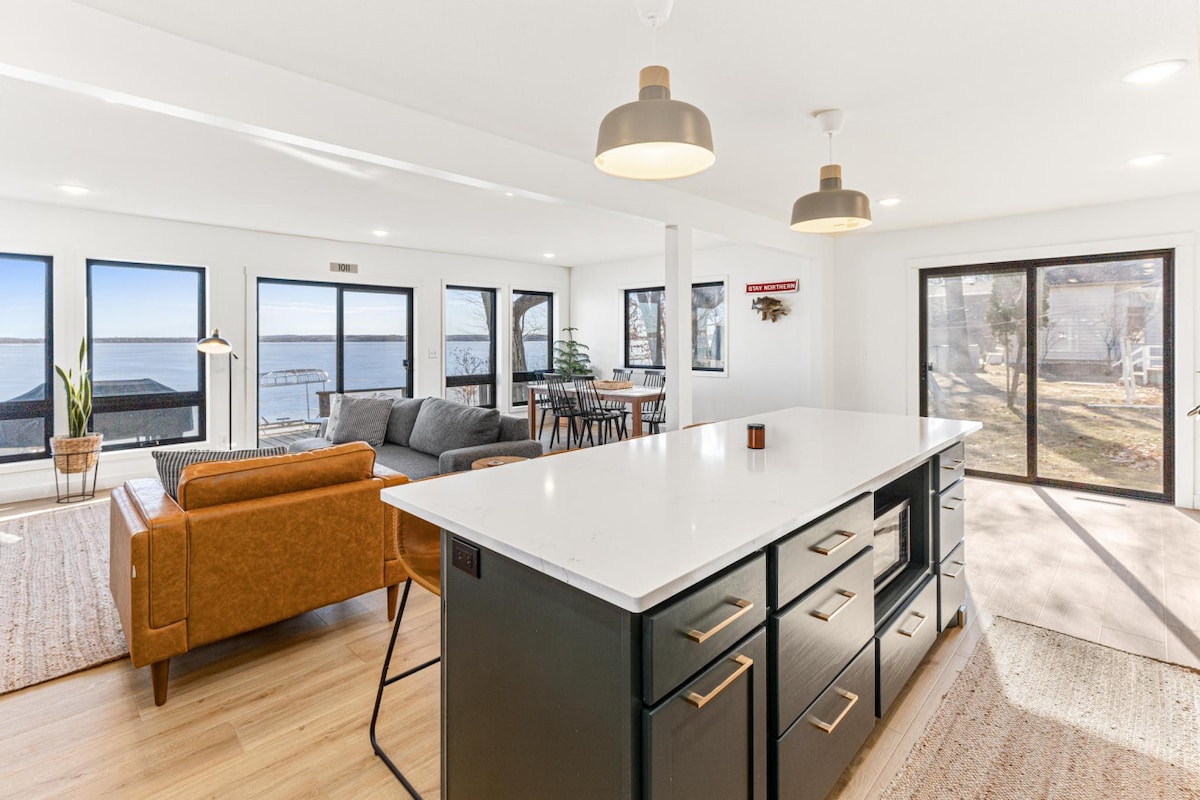
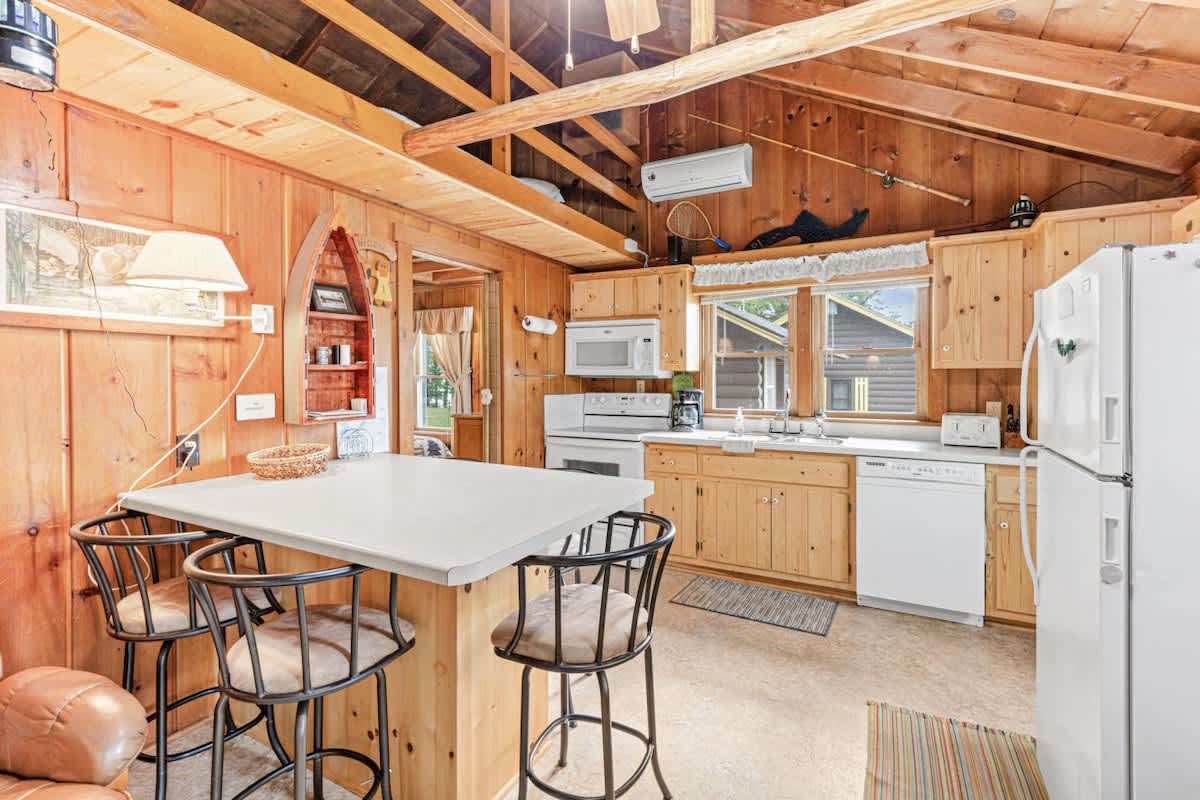
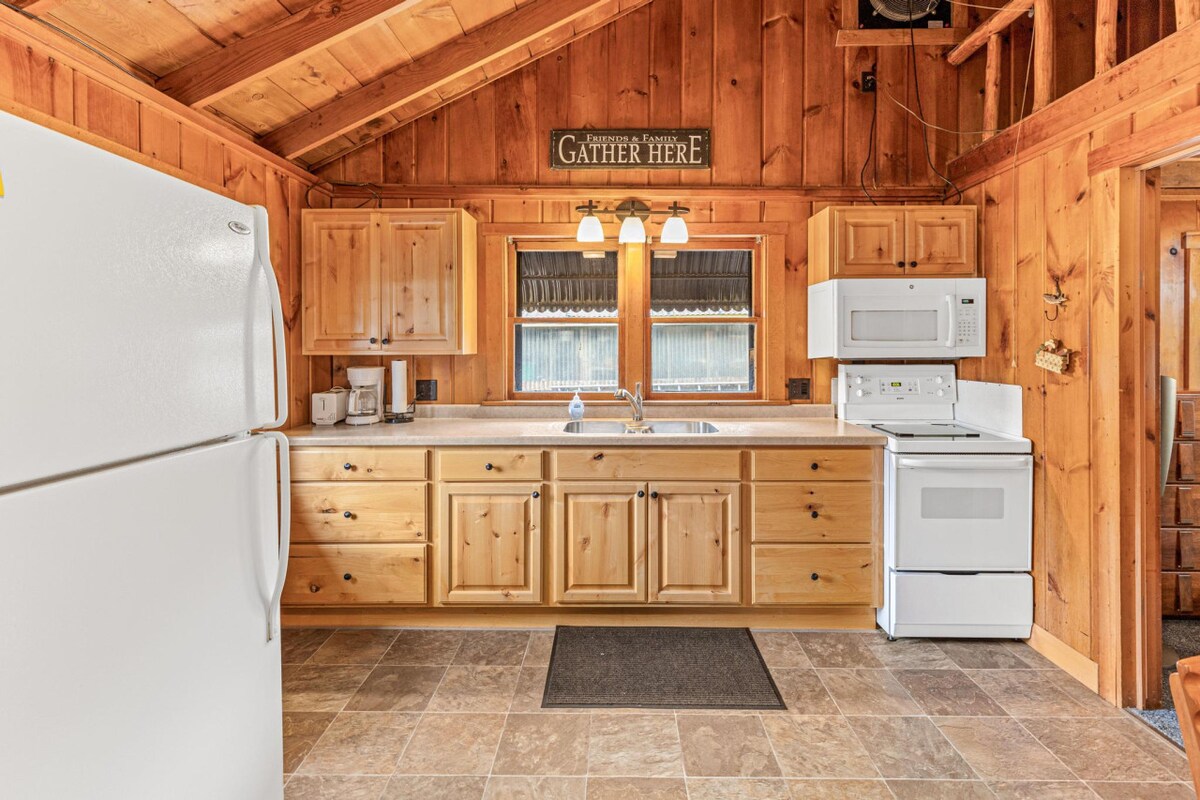
Lakefront cabins available for direct booking near Wisconsin's best bass lakes.
Wisconsin Bass Fishing FAQ
When is bass season in Wisconsin?↓
What lakes have the most bass in Wisconsin?↓
What is the best bait for bass in Wisconsin?↓
Do you need a license to bass fish in Wisconsin?↓
Related Guides
 Fishing
Hidden Fishing Spots in Wisconsin Nobody Talks About
Local knowledge on the lakes and rivers that don't make the tourist lists — but should
 Fishing
The Best Walleye Lakes in Northern Wisconsin
DNR survey data, local tactics, and the specific lakes where you should actually be fishing
Ready to Book?
Browse lakefront cabins near Spooner — book direct, no service fees.
Browse Vacation Rentals →In This Guide
10 min read
Updated April 2026
Featured Towns