
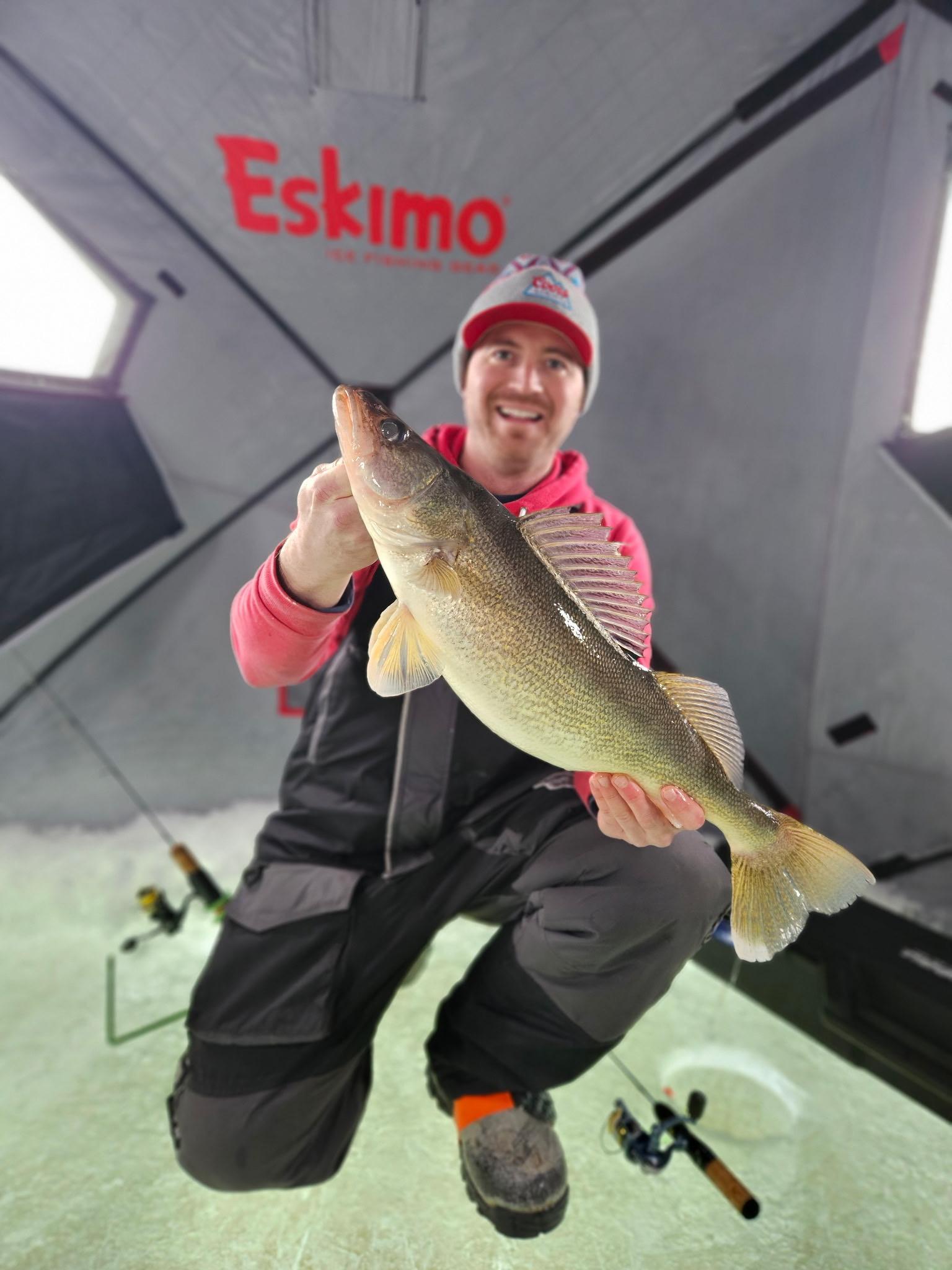
The Best Walleye Lakes in Northern Wisconsin
DNR survey data, local tactics, and the specific lakes where you should actually be fishing
The Short Answer
The best walleye lakes in northern Wisconsin are concentrated in Washburn, Burnett, and Sawyer counties. Shell Lake, Big McKenzie Lake, and the Trego-area waters consistently produce. Fish the 8–12 foot gravel-to-sand transitions at dawn and dusk — especially in May through early June and again in September, when walleye feed most aggressively in shallow water.
Why Northern Wisconsin Produces World-Class Walleye
Northern Wisconsin's walleye fishery is built on geology. The last glaciers scraped this landscape into a mosaic of deep, cold, clear lakes sitting on gravel and sand substrate — exactly the conditions walleye evolved to exploit. The Wisconsin DNR has stocked and managed these waters for decades, with annual surveys tracking population density and age structure across thousands of individual lakes. When you're looking for walleye here, you're not guessing. There is data.
The Washburn, Burnett, and Sawyer county lakes are particularly productive because they sit in the transition zone between the sandstone-dominated south and the granite-bedrock north. The resulting lake floors are a mix of gravel, rock, sand, and weed edges that walleye use differently through the season — spawning gravel in spring, deep cool structure in summer, shallow flats at night in fall. Learning how one lake in this system works gives you transferable knowledge across the whole region.
Critically, many of the best walleye lakes in this area are not the famous ones. The Chippewa Flowage gets the headlines. The lakes around Spooner, Shell Lake, and Trego get the fish — often at a fraction of the angling pressure. If you're willing to do a small amount of homework, the walleye fishing in these lesser-known waters can be exceptional. Stay Northern's northern Wisconsin cabin rentals cluster around these working-class walleye fisheries — book direct, fish from your own dock.
The Magic Window
Dawn and dusk on overcast days are walleye prime time — they're light-sensitive and feed most aggressively when UV levels are low. In northern Wisconsin, the 45 minutes after sunrise and before sunset account for a disproportionate share of keeper catches. Fish 8–12 feet of water over gravel-to-sand transitions. Wind-blown points are consistently productive because they concentrate baitfish.
How to Read a Walleye Lake
Walleye in northern Wisconsin are structure fish. In spring through early summer, they move shallow — the 4–8 foot gravel flats off rocky points where they spawned just weeks earlier. In midsummer, they go deeper and cooler: the 15–25 foot basin edges and submerged humps are where you'll find them during the heat of the day. At night in summer, they move back shallow to feed. In fall, that migration reverses again — walleye chase cisco and perch onto flatter structure as the water cools.
The DNR lake maps available on the department website show depth contours for most significant Wisconsin lakes. Before you fish a new lake, download the bathymetric map and identify the major structural features: the deep basin, the mid-lake humps, the points with gradual rock-to-sand transitions, the weed edges. Walleye in a new lake are almost always on one of those features. Start there, move methodically, and let the fish tell you which structure they're using that day.
Top Walleye Lakes Near Spooner
DNR-verified fisheries with strong walleye populations and manageable angling pressure.
Shell Lake
Washburn County
Fish Species
5 Proven Walleye Rigs for Northern Wisconsin
Jig and minnow — the year-round standard
A 1/8 to 3/8 oz ball head jig tipped with a live fathead or shiner minnow is the most consistent walleye presentation in these waters. Work it slowly along the bottom in 8–15 feet, with a lift-drop retrieve. In clear-water lakes like Shell Lake, go to 1/16 oz jigs and lighter line (6 lb fluorocarbon) to avoid spooking fish.
Lindy rig — for pressured fish in open water
The Lindy rig (slip sinker, bead, swivel, 18–36 inch fluorocarbon leader, live minnow or leech) lets fish pick up the bait without feeling resistance. It's especially effective over sand-and-gravel flats in 10–20 feet of water. Drift it with the wind across a productive mid-lake hump for consistent action through midsummer.
Crankbait trolling — covering water to find active fish
When walleye are scattered across a large flat or basin, trolling a #5 or #7 Rapala Shad Rap or similar crankbait at 1.5–2.0 mph allows you to cover a lot of water quickly. Adjust depth via line length and trolling speed. This is a search pattern — once you mark fish or get a hit, stop and work the spot with live bait.
Slip bobber and leech — for suspended fish in summer
In midsummer, walleye often suspend 2–4 feet above the bottom in 18–25 feet of water — perfectly positioned to ignore anything near the surface or dragged along the bottom. A slip bobber set to hang a leech or minnow at the precise depth they're holding is the best way to get a presentation in front of them. Use a sensitive bite indicator, because summer walleye take lightly.
Blade baits — vertical jigging for winter-pattern fish
In cold water (early spring, late fall, through ice), walleye slow down and respond better to tight vertical presentations. A blade bait like a Swedish Pimple or Cicada jigged vertically over confirmed fish locations is highly effective. Lift 8–12 inches and let it flutter back down — most strikes come on the fall. This presentation works from a boat in open water or through an ice hole.
Walleye Fishing FAQ
When does walleye season open in Wisconsin?↓
What is the walleye size limit in Wisconsin?↓
What is the best bait for walleye in Wisconsin?↓
What depth do walleye hold in northern Wisconsin lakes?↓
Is a boat required to catch walleye in Wisconsin?↓
Related Guides
 Seasonal
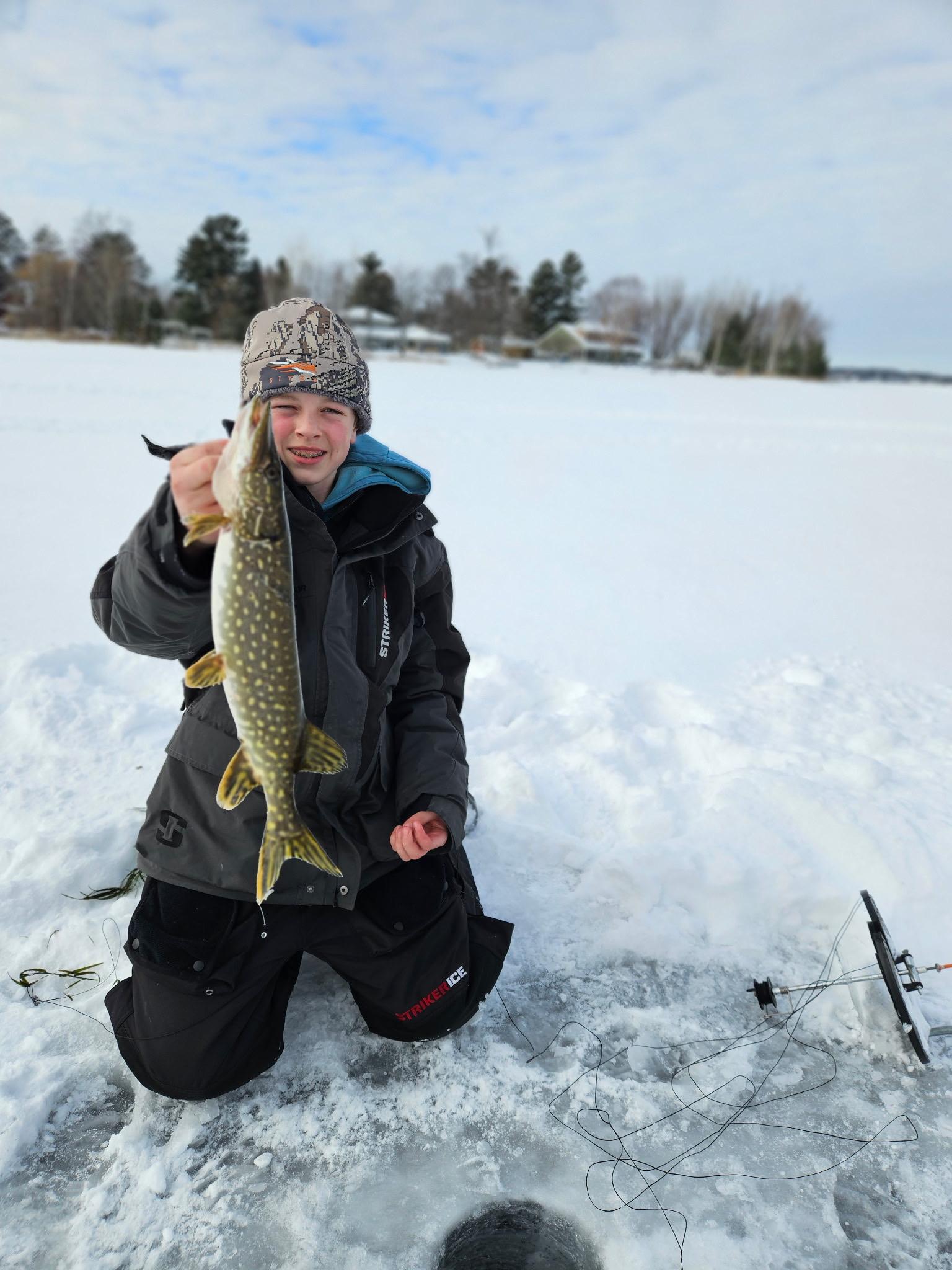
Ice Fishing in Wisconsin: The Complete Guide
When to go, how to stay safe, the best lakes near Spooner, and everything you need to catch fish through the ice
 Destinations
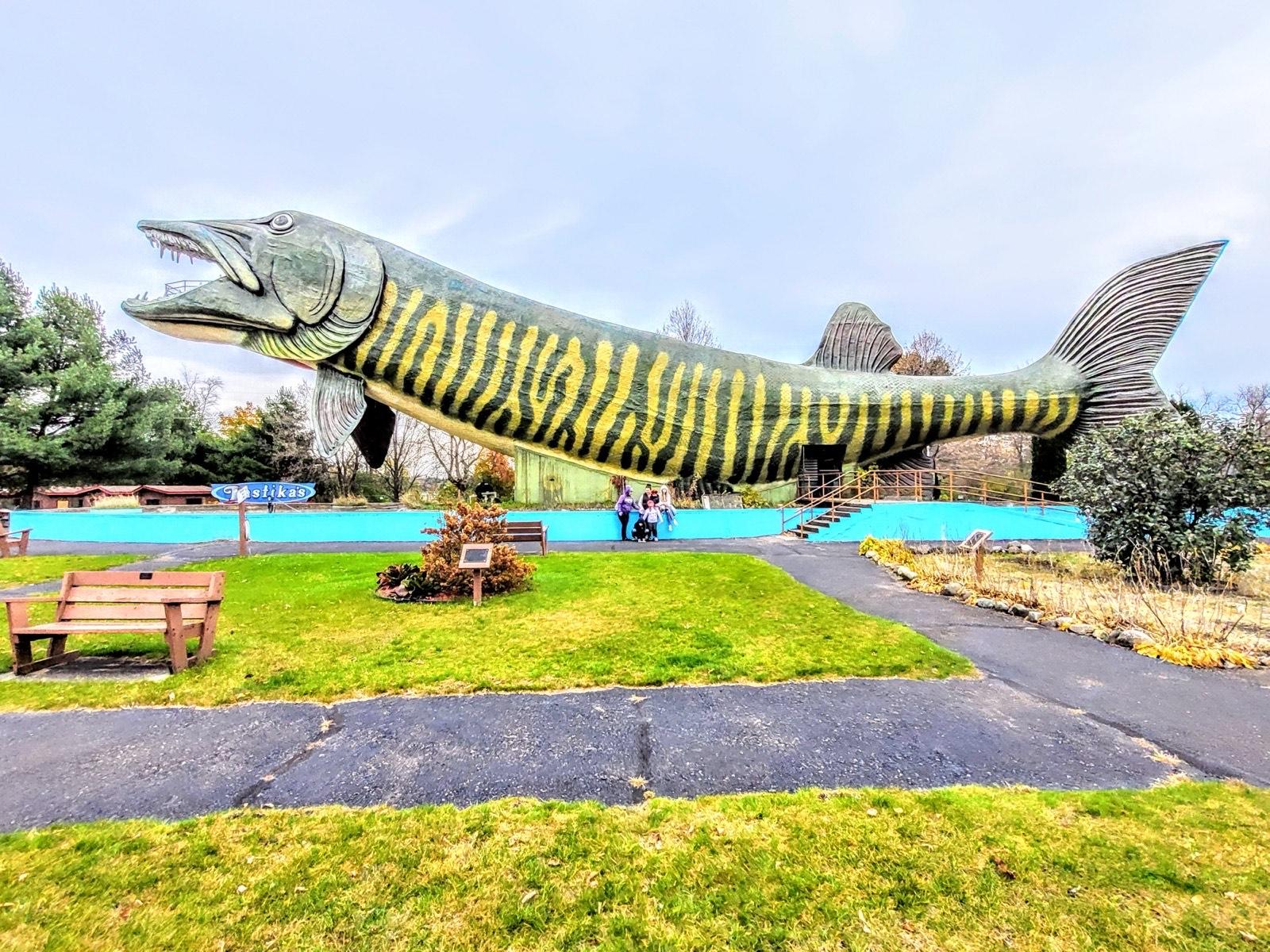
Hayward, Wisconsin: The Visitor's Guide (And a Local Secret)
Everything you need to plan a northwoods Wisconsin vacation — plus the hidden lakes 30 minutes south that most tourists never find
Ready to Book?
Browse lakefront cabins near Spooner — book direct, no service fees.
Browse Vacation Rentals →In This Guide
10 min read
Updated March 2026
Featured Towns