
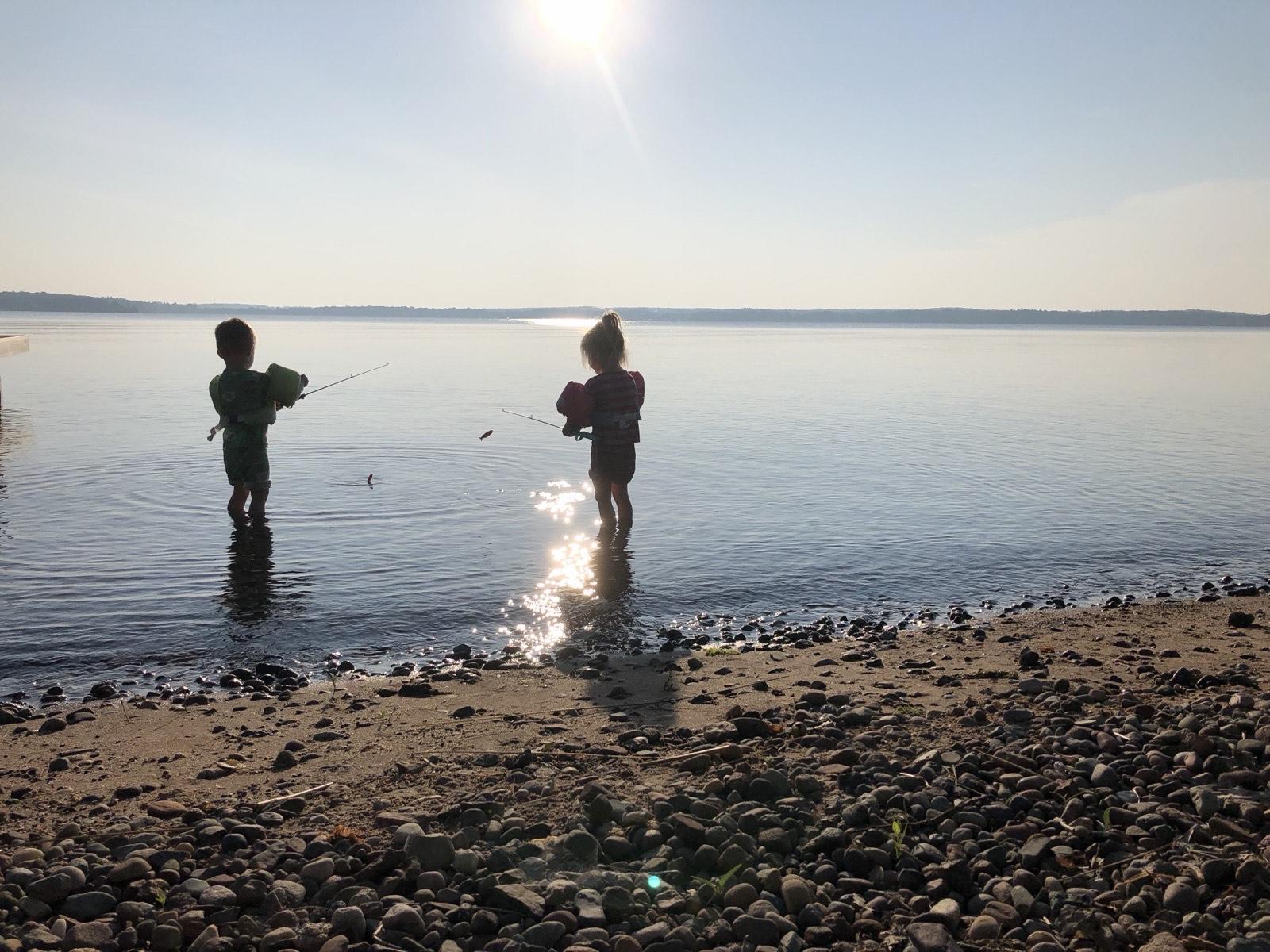
Fishing with Kids in Wisconsin: The Parent's Guide
The best lakes, gear, and tips for getting kids hooked on fishing in Wisconsin's northwoods
The Short Answer
Wisconsin is genuinely the best place in the Midwest to teach kids to fish. The northwoods lakes hold abundant panfish — bluegill, crappie, and perch — that bite readily, fight well on light tackle, and make for fast, exciting action. Lakes near Spooner and Shell Lake have good public access and consistent panfish populations. Kids age 4 and up can successfully catch bluegill in Wisconsin with basic gear and 30 minutes of instruction.
Why Wisconsin Is Perfect for Kids' First Fishing Experience
Wisconsin's northwoods lakes have a characteristic that makes them ideal for teaching kids to fish: an enormous population of cooperative panfish. Bluegill, crappie, and yellow perch are abundant in almost every lake, they're not selective, and they'll hit a small hook baited with a worm within seconds of it hitting the water in productive spots. Kids don't have to wait long. The action is real and frequent. This is how fishing becomes a lifelong thing rather than a boring afternoon.
Unlike walleye or musky fishing, which requires precise technique and patience, panfish can be caught by a 5-year-old with a 5-foot rod, 6 lb line, a small bobber, a size 10 hook, and a worm from the bait shop. The gear list is short. The technique is simple. The success rate, on the right lake in the right spot, is close to 100% within an hour. This is the experience that builds a fisherman.
The other advantage of Wisconsin lake country is the setting itself. Fishing from a dock at a northwoods cabin, with loons calling and the smell of pine and lake water, creates a memory that lasts far longer than the fish count. The environment is part of the experience — and Wisconsin delivers it reliably.
Best Species for Kids to Catch
Bluegill are the #1 kids' fishing species in Wisconsin — they bite throughout the day, they're abundant in almost every lake, and they put up a surprisingly strong fight on light tackle for their size. Crappie are a close second — they tend to school so once you find them, the action is fast. Yellow perch are excellent for kids on deeper lakes; they school in large numbers and bite aggressively mid-morning. All three are delicious fried — catching dinner adds real motivation for young anglers.
Gear Guide for Kids
Rod and reel — keep it short and light
A 5–5.5 foot ultralight spinning combo (a Zebco 33 or similar push-button spincast reel works great for young beginners — no bail to open) is the right setup for kids under 10. Line: 6 lb monofilament. Spincast reels are the easiest to operate — kids can focus on watching the bobber instead of managing the reel. Upgrade to a spinning reel when they're ready.
Terminal tackle — keep it small
Size 10 or 12 Aberdeen hooks (long shank for easy hook removal), split shot weights, a small slip bobber set at 3–4 feet. Worms are the universal bait — available at every bait shop in northwoods Wisconsin for $4–5 per dozen. For crappie, small 1/32 oz tube jigs in pink or chartreuse are effective and kids can fish them without live bait.
Where to fish — find the weed edges
Bluegill and crappie live along weed edges in 4–10 feet of water — the transition between open water and submerged vegetation. From a dock, cast parallel to the weed edge rather than into open water. From a boat, position on the outside edge of the weeds and cast toward them. The fish are in the shade and cover of the vegetation, not in open water.
How to Keep It Fun for Kids
The biggest mistake adults make when fishing with kids is fishing the same way they fish alone. Kids need shorter sessions (45–90 minutes max for under-8s), frequent action, snacks, and permission to quit when they're ready. If they've been skunked for an hour, move to a different spot — don't stay and grind. The goal is to associate fishing with fun, not with long waits. If action slows, switch to a worm under a bobber in the shallowest spot you can find, which almost always produces bluegill.
Safety on the water matters with kids: life jackets required anytime in a boat, sun protection essential (kids dehydrate fast on the water), and clear rules about not running on docks. Wisconsin lake water is cold even in summer — if a child falls in, the shock matters. A proper life jacket on every child in a boat is non-negotiable.
Kid-Friendly Lakes Near Spooner
Lakes with abundant panfish and easy public access.
Shell Lake
Washburn County
Fish Species
Lipsett Lake
Burnett County
Fish Species
Clam Lake
Burnett County
Fish Species
Kids Fishing FAQ
What age can kids fish in Wisconsin?↓
Do kids need a fishing license in Wisconsin?↓
What is the easiest fish to catch in Wisconsin?↓
Related Guides
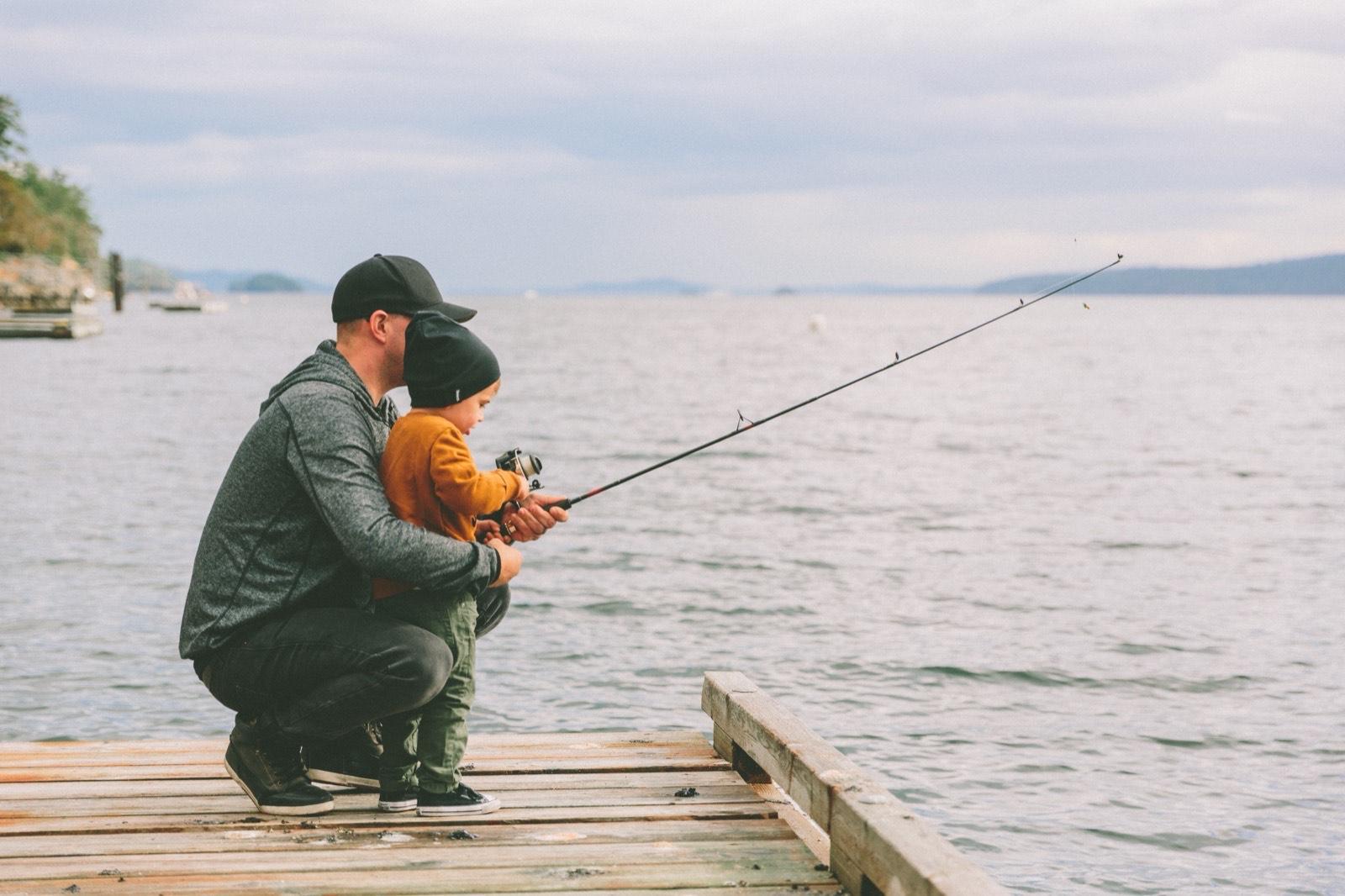 Trips
TripsWisconsin Family Vacation Packing List: Don't Forget These
Everything families actually need for a northwoods cabin trip — from fishing gear to rainy day supplies
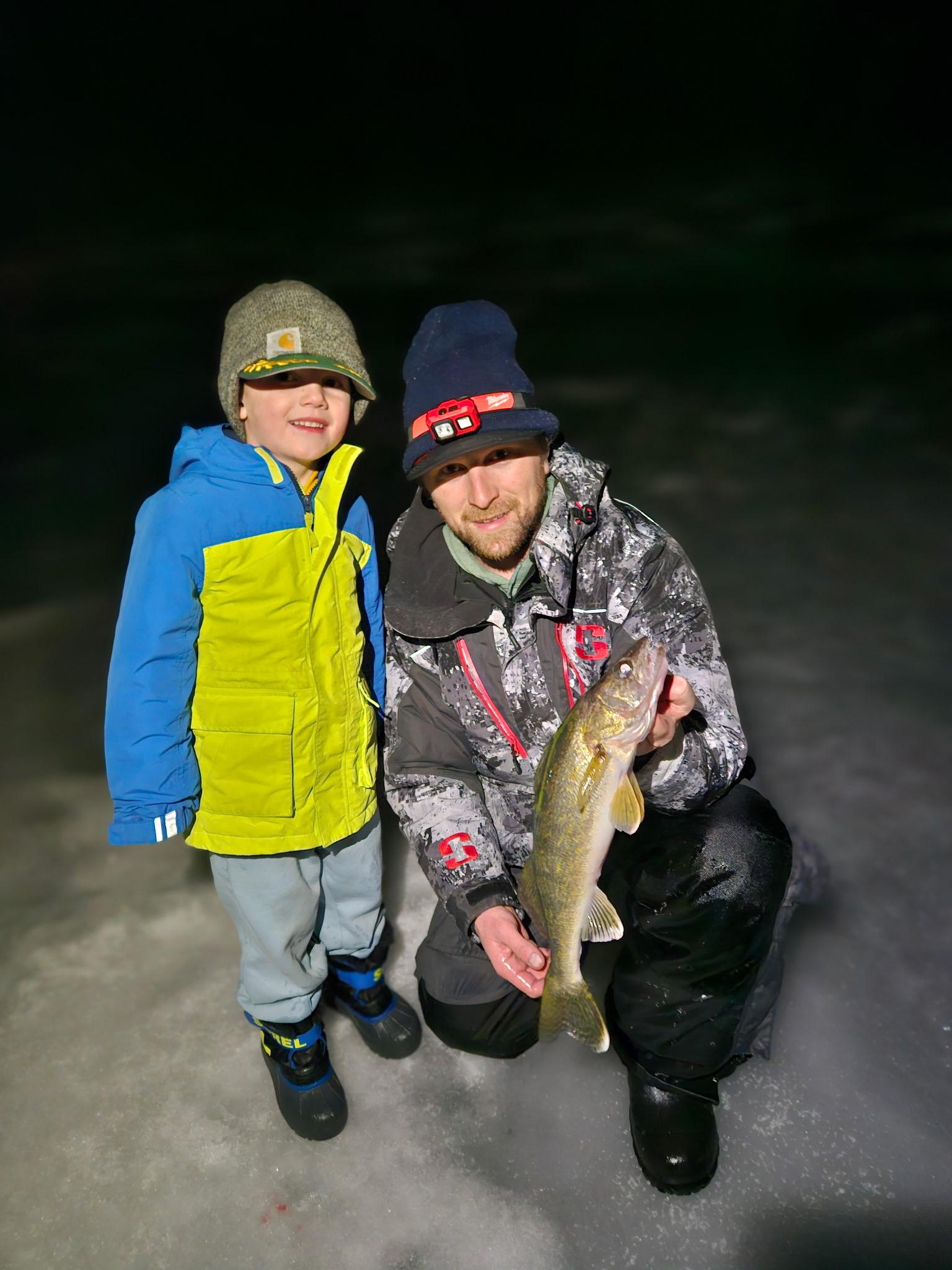 Seasonal
Taking Kids Ice Fishing in Wisconsin: Everything You Need to Know
Tips, gear, and the best lakes for making ice fishing a family tradition
Ready to Book?
Browse lakefront cabins near Spooner — book direct, no service fees.
Browse Vacation Rentals →In This Guide
8 min read
Updated April 2026
Featured Towns