
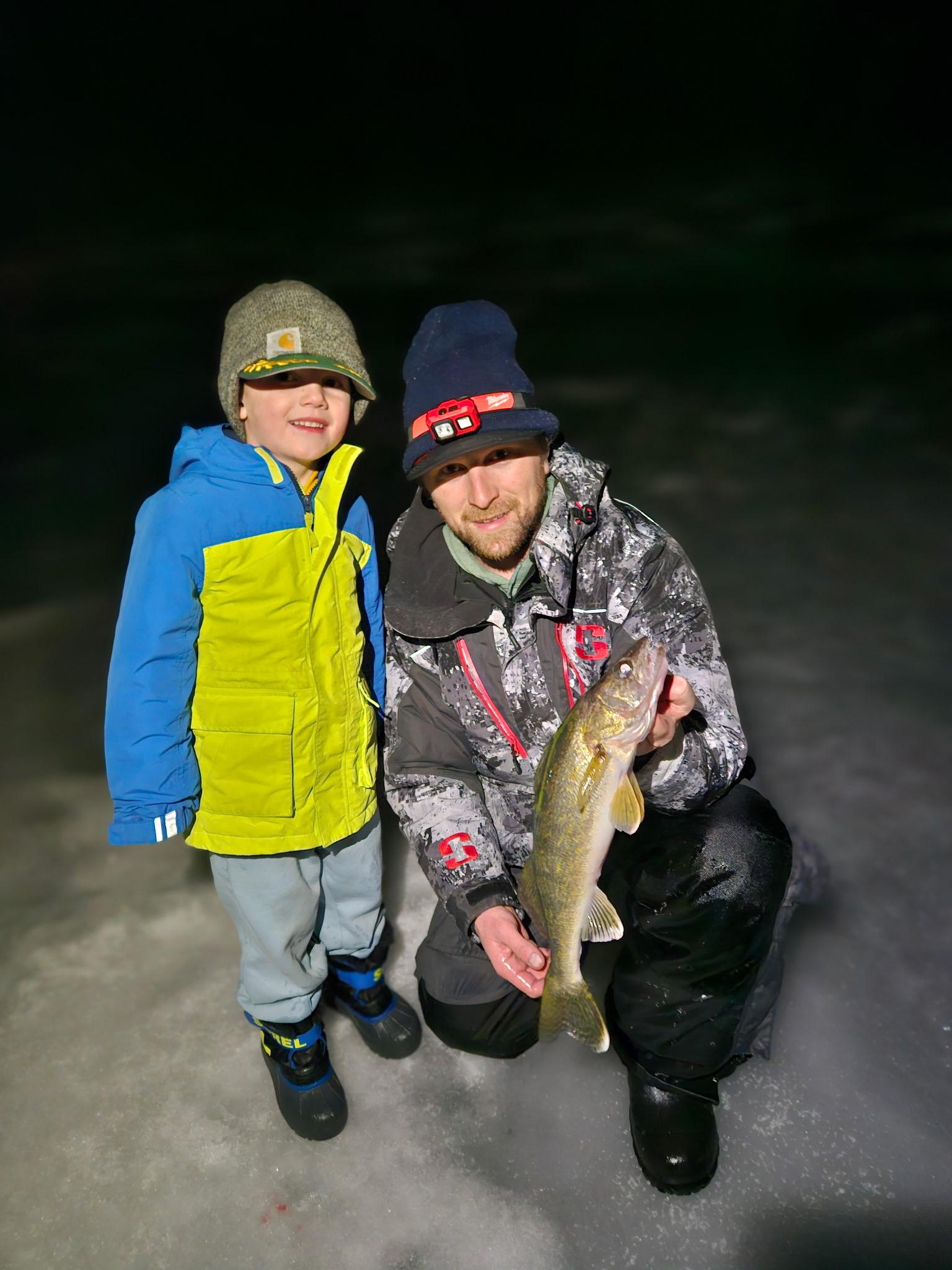
Taking Kids Ice Fishing in Wisconsin: Everything You Need to Know
Tips, gear, and the best lakes for making ice fishing a family tradition
The Short Answer
Ice fishing with kids works exceptionally well in Wisconsin because the target species — bluegill, perch, and crappie — bite actively all day and are easy to catch with simple gear. The hardest part is staying warm; with proper layers and a portable shanty, kids as young as 4–5 can ice fish comfortably and have a genuinely great time. The best panfish ice lakes near Spooner and Shell Lake are perfect for first experiences.
Why Ice Fishing Is Perfect for Kids
Ice fishing has attributes that make it work better for young children than open-water fishing. You're stationary — no balance issues in a moving boat, no casting distance required, no boat traffic to navigate. The fish come to you (or you find them and stay put). The presentation is simple: drop a jig with a wax worm or small minnow to the right depth, watch a spring bobber or floats, and wait. Kids can do this.
The target species through ice — bluegill, perch, and crappie — bite actively throughout the day, unlike walleye or musky that require peak-time fishing. A productive panfish lake in January produces consistent bites from 9am through 3pm, which matches a child's attention span much better than the dawn-only walleye bite. The action is real and frequent enough to hold interest.
There's also the setting itself: ice fishing shanties, frozen lakes, the ritual of checking holes and adjusting depth — it's a genuinely novel experience for children, nothing like anything they encounter otherwise. The combination of novelty, real action, and tangible success makes it one of the most effective outdoor activities for introducing kids to fishing culture.
What Age Can Kids Start Ice Fishing?
Age 3–4 with a parent drilling the hole, managing the rod, and keeping them entertained between bites. Age 5–6 can hold a short ice rod independently and manage the jigging motion. Age 8–10 can fish nearly independently with minimal supervision. The limiting factor at young ages isn't fishing skill — it's cold tolerance. Toddlers in a heated shanty can ice fish; toddlers in wind on open ice cannot. Always fish from a portable shelter with young children.
Gear Essentials for Kids Ice Fishing
A short, sensitive ice rod
Kids' ice rods run 18–24 inches — the right length for a child to manage comfortably while seated inside a shanty. A spring bobber on the rod tip makes bite detection easy even for young anglers. Pair with a small inline reel with 2–4 lb monofilament. Complete kids' ice rod combos cost $20–40 at sporting goods stores.
Warm layers — the most critical item
Cold is the enemy of a good kids' ice fishing experience. Wool or synthetic base layer, fleece mid-layer, insulated bibs and jacket. Waterproof insulated boots rated to -20°F minimum (kids' feet get cold faster than adults'). Hand warmers in the pockets. A portable propane heater inside the shanty changes everything — 40°F inside a shelter is comfortable for kids in normal winter clothing.
A portable shelter
A flip-over or pop-up portable ice shanty is the most important piece of equipment for ice fishing with young children. It blocks wind, retains heat from a small propane heater, and creates a defined space where kids can't wander. Entry-level portable shelters cost $80–150 and make the difference between a successful outing and a miserable one.
Small jigging presentations
1/64 oz tungsten jigs in chartreuse, pink, or glow color tipped with a single wax worm or spike (maggot). The tungsten sinks faster and presents smaller than lead at the same size — important for the finicky panfish through ice. A small tackle box with 10–12 of these jigs in different colors costs about $15 and covers most situations.
Best Lakes for Family Ice Fishing Near Spooner
For a first ice fishing experience with kids, choose a lake with known abundant panfish populations, reliable ice thickness, and easy access (short walk from the parking area to the fishing spot). Shell Lake's south-end shallows are good for perch; the weed edges hold bluegill. Clam Lake in Burnett County is reliable for panfish with easy parking and good public access.
Call a local Spooner or Shell Lake bait shop before your trip and tell them you're bringing kids and want fast panfish action. They know which lake and which area is producing that week and will give you specific advice. This single phone call is worth more than hours of online research for planning a kids' ice fishing trip.
Making It a Tradition: After the Fishing
The meal after ice fishing seals the memory. Cooking the fish you caught — even a small bluegill cleaned and pan-fried in butter and Lawry's — connects cause and effect in a way that takes the experience from an outing to a story worth telling. Keep the first few fish of the day even if you catch bigger ones later; kids want to eat what they caught.
Hot chocolate in the shanty, a warming hut stop if available at the boat landing, and the drive home with tired, satisfied kids who caught real fish: this is the template for a fishing tradition that can last a lifetime. Don't rush the day; the stories happen in the details.
Kids Ice Fishing FAQ
Do kids need a fishing license for ice fishing in Wisconsin?↓
How cold is too cold for kids ice fishing?↓
What is the best fish for kids to catch through the ice?↓
Related Guides
 Fishing
Fishing with Kids in Wisconsin: The Parent's Guide
The best lakes, gear, and tips for getting kids hooked on fishing in Wisconsin's northwoods
 Seasonal
Ice Fishing in Wisconsin: The Complete Guide
When to go, how to stay safe, the best lakes near Spooner, and everything you need to catch fish through the ice
Ready to Book?
Browse lakefront cabins near Spooner — book direct, no service fees.
Browse Vacation Rentals →In This Guide
8 min read
Updated April 2026
Featured Towns