
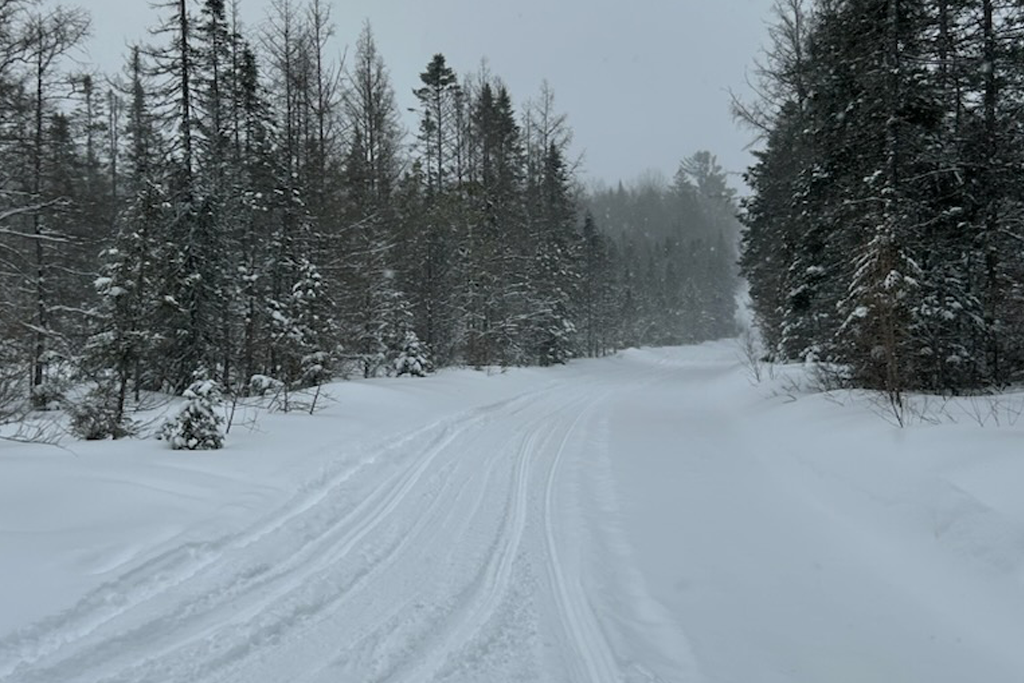
Winter Trails in Wisconsin: Snowshoeing, Skiing, and Hiking
The best groomed and backcountry winter trails across Wisconsin's northwoods
The Short Answer
Wisconsin has excellent winter trail options across multiple formats: the Birkie Trail near Cable for world-class cross-country skiing, Nicolet National Forest trails for snowshoeing and backcountry skiing, and dozens of state forest systems with groomed and ungroomed options. January–February is the best window when the snowpack is established. Most state forest trails are free; some groomed XC networks charge a trail fee.
Types of Winter Trails in Wisconsin
Wisconsin's winter trail ecosystem has four distinct categories. Groomed cross-country ski trails — machine-tracked for classic and skate skiing, with set track and groomed skating lane — are the most developed. The Birkie Trail corridor near Cable and Hayward is the premier example, with over 200 km of groomed trails managed by the American Birkebeiner Ski Foundation. Trail fees ($15–20/day) support year-round grooming.
Snowshoe trails are the most accessible winter option — most state forest and national forest trails are open for snowshoeing without fees or permits, and snowshoes cost $30–50 at sporting goods stores. No prior experience required. Fat bike trails are maintained at several locations; the Copper Falls State Park system near Mellen and several Nicolet Forest locations are notable. Winter hiking on maintained trails — packed or with microspikes — is possible at most Wisconsin state parks year-round.
The distinction matters for planning: groomed XC trails require paying a trail fee and staying on maintained corridors; snowshoeing can be done on any public land where motorized vehicles aren't permitted; fat biking has specific designated trail systems. Know which format you're planning before you go to ensure the trail you're targeting is maintained for your activity.
Top Winter Trail Systems in Northern Wisconsin
American Birkebeiner Trail — Cable to Hayward
The Birkie Trail is North America's largest cross-country ski event course — 55 km from Cable to Hayward — and is maintained as a groomed trail system throughout winter by the American Birkebeiner Ski Foundation. World-class grooming, rolling terrain through the Chequamegon National Forest, and both classic and skate tracks. Trail fees apply. The Birkebeiner race itself (last Saturday in February) draws 10,000+ skiers from around the world — plan accordingly if visiting that weekend.
Afterglow Lake State Natural Area — Phelps
The Afterglow Lake area in Vilas County has undeveloped winter snowshoe and ski terrain through boreal forest — the kind of remote, quiet winter landscape that defines northwoods character. No grooming, no fees, and often no other visitors. The portage trail between Afterglow and the adjacent lakes is a beautiful winter snowshoe loop.
Chequamegon-Nicolet National Forest — multiple locations
The Chequamegon portion (Hayward/Cable area) and Nicolet portion (Rhinelander area) of the national forest maintain designated snowshoe and XC ski trails at multiple trailheads. Most are ungroomed but well-marked. Trail maps are available at district ranger stations and on the USDA Forest Service website. Free to use; some parking areas require a recreation pass.
Flambeau River State Forest — Rusk County
The Flambeau River State Forest south of Park Falls has a groomed XC ski trail system and extensive ungroomed snowshoe terrain. The forest is large enough (90,000+ acres) that you can find genuinely remote terrain even in winter. The Pine Line Recreation Trail is groomed for skiing and accessible from multiple entry points.
What to Wear and Bring
Layering is the key to winter trail comfort: moisture-wicking base layer (no cotton), insulating mid-layer, wind/waterproof outer layer. Hands need gloves for skiing and mittens for stops — carry both. Feet: insulated waterproof boots for snowshoeing, dedicated ski boots if renting or owning XC skis. Goggles for cold windy days. Bring more water than you think you need — cold and exertion causes significant dehydration even when you don't feel thirsty. A thermos of hot tea or coffee makes all the difference on a cold day.
Winter Trails Near Spooner and Shell Lake
The Spooner area doesn't have a major groomed XC ski venue, but Washburn and Burnett Counties have extensive state forest and county forest land open for snowshoeing year-round. The Namekagon River corridor (St. Croix National Scenic Riverway) maintains trails near Trego that are beautiful in winter — the frozen river, snow-covered banks, and forest quiet.
The Birkie Trail is 45 minutes north near Cable — easily accessible as a day trip from a Spooner area cabin. Renting XC skis in Cable or Hayward and skiing a section of the Birkie trail is one of the best winter activities in the region. No prior skiing experience required for the flatter sections; intermediate terrain is available throughout.
Browse Wisconsin XC Ski Trails
Find cross-country ski trails across northern Wisconsin — including the Birkebeiner trail system, CAMBA, Afterglow Lake, and Palmquist Farm — on the Stay Northern Trails Guide. Filter by grooming status, difficulty, and county. Visit staynorthern.com/trails?type=xc-ski
Wisconsin Winter Trails FAQ
Where are the best cross-country ski trails in Wisconsin?↓
Can you snowshoe in Wisconsin state parks?↓
What is the American Birkebeiner?↓
When is the best time for winter trails in Wisconsin?↓
Related Guides
 Seasonal
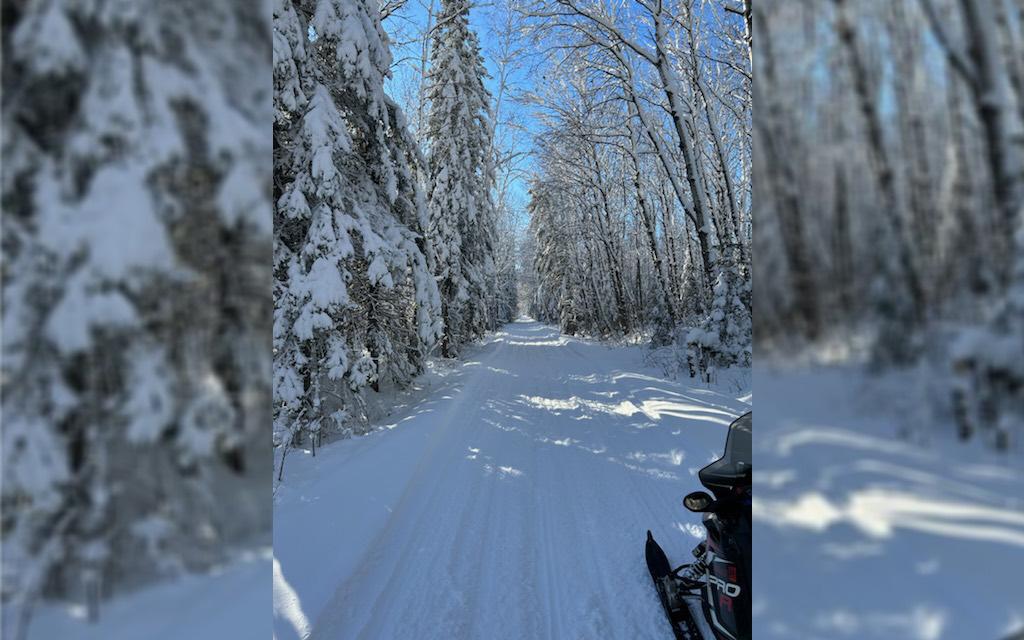
Snowmobile Trails in Wisconsin: The Complete Guide
30,000 miles of groomed trails make Wisconsin one of the best snowmobiling destinations in the country
 Seasonal
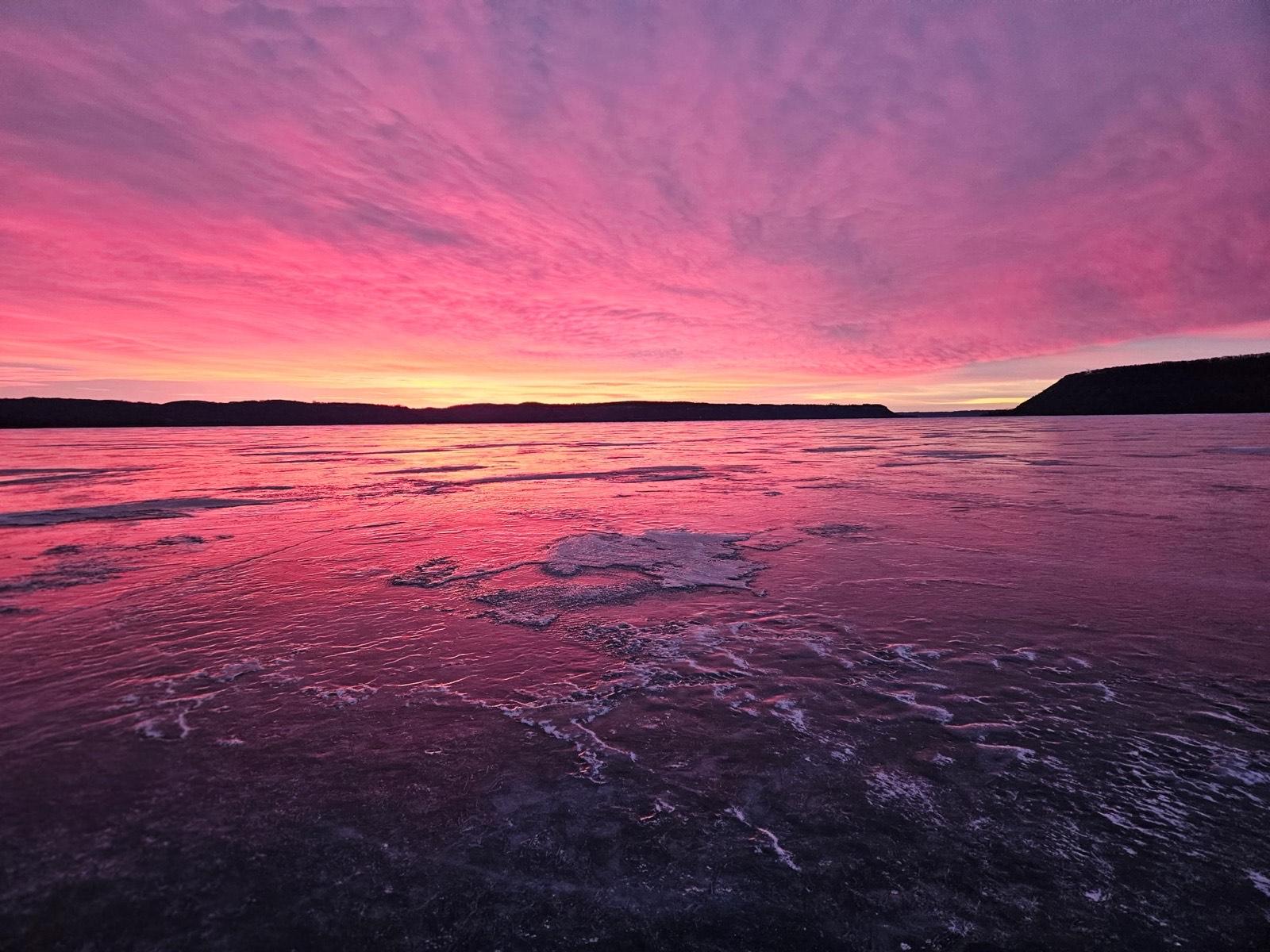
Wisconsin in Winter: Why the Northwoods Are Beautiful After the Snow Falls
Frozen lakes, snow-covered pines, and a quieter side of Wisconsin most visitors never see
Ready to Book?
Browse lakefront cabins near Cable — book direct, no service fees.
Browse Vacation Rentals →In This Guide
9 min read
Updated April 2026
Featured Towns