Wisconsin in Winter: Why the Northwoods Are Beautiful After the Snow Falls
Frozen lakes, snow-covered pines, and a quieter side of Wisconsin most visitors never see
The Short Answer
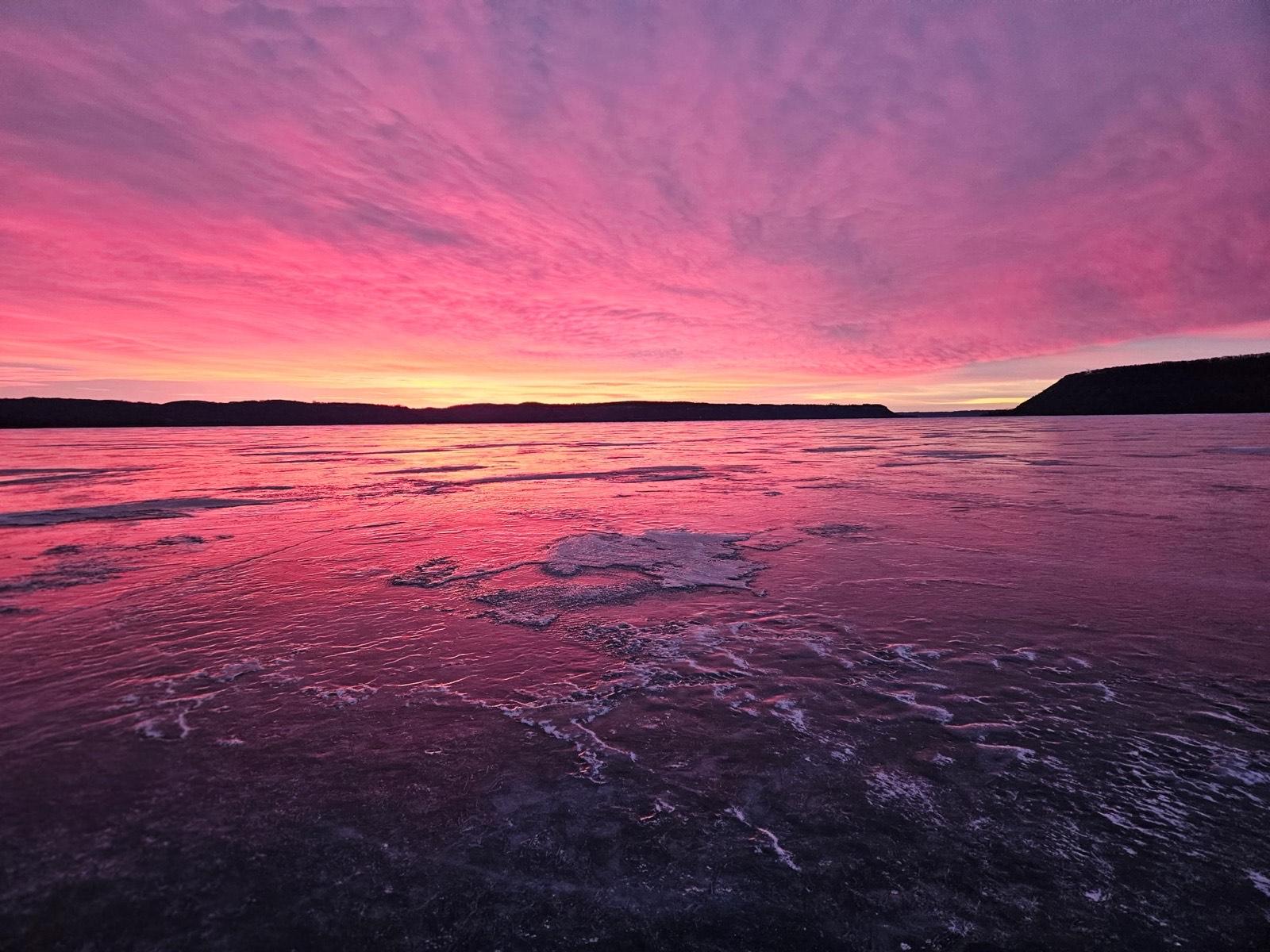
Wisconsin's northwoods in winter are genuinely beautiful — frozen lakes, snow-loaded pines, and the complete silence of a January morning that you can't experience any other time of year. The visitors who discover Wisconsin in winter become its most devoted regulars. The activities are excellent: snowmobiling, ice fishing, snowshoeing, cross-country skiing. The scenery is underrated. The cabin rates are lower than summer. It deserves to be taken seriously as a season.
Why Winter Is an Underrated Time to Visit
Most people who visit Wisconsin's northwoods do so in summer — and they're missing a season that many year-round residents consider the best one. The northwoods in January is a different place: the crowds are gone, the lakes are frozen and perfectly still under a blanket of snow, the forests are snow-loaded in a way that looks like a postcard, and the silence on a calm winter morning is complete in a way that summer never provides.
There's also simply more to do than most people realize. Snowmobiling in Vilas County — one of the densest groomed trail networks in North America. Ice fishing on lakes that produced all summer. Cross-country skiing on Nicolet National Forest trails. Snowshoeing through state forests where you won't see another person. Winter hiking on trails that are maintained year-round. Aurora Borealis viewing on clear nights, which happens more frequently in Wisconsin's north than most residents know.
The economics work differently in winter too. Cabin rates in January and February are typically 20–30% below peak summer rates on the same properties. You get the same lake, the same dock, the same screened porch (now used as a cold storage for ice fishing gear) — for significantly less money. The shoulder rate reflects a different kind of experience, not a lesser one.
Northern Lights in Wisconsin
Northern Wisconsin is far enough north to see the aurora borealis several times per year during periods of elevated solar activity. Clear nights in January and February with a new moon are the best conditions. Get away from town lights — the DNR boat landings on remote lakes are excellent viewing platforms. Check spaceweather.com or the NOAA Space Weather Prediction Center for aurora alerts. When the KP index is above 4, northern Wisconsin regularly sees visible aurora.
Winter Activities in Wisconsin's Northwoods
Snowmobiling
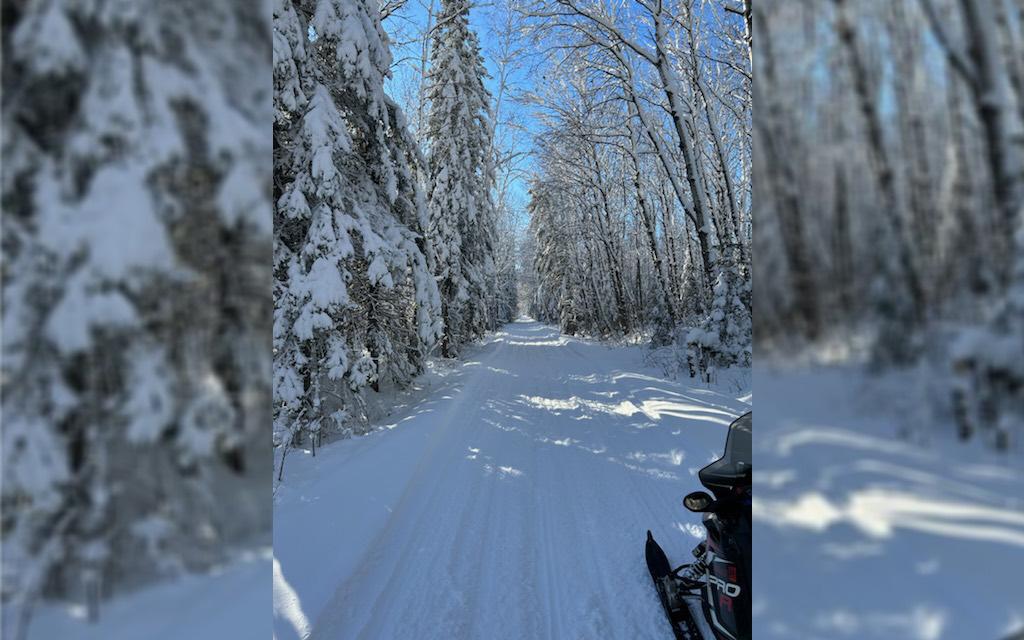
Wisconsin has 30,000+ miles of groomed snowmobile trails statewide — more than any other state. The Vilas and Oneida County trail networks near Eagle River and St. Germain are the most developed. Burnett and Washburn Counties have good trail access from Spooner and Shell Lake. Most rental cabins with trail access let you ride directly from the property.
Ice fishing
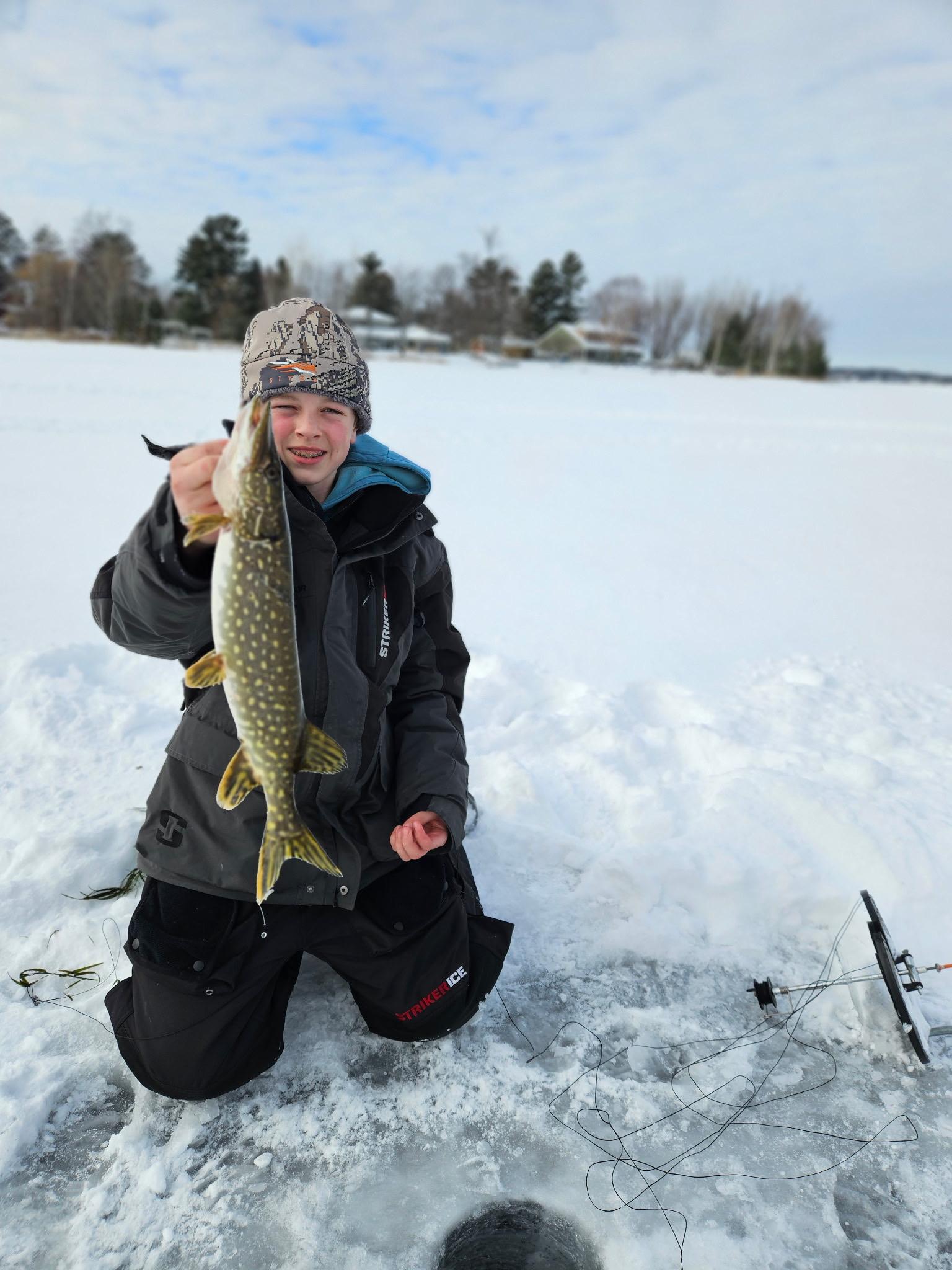
Ice fishing on Wisconsin northwoods lakes is an entire culture, not just an activity. January ice on Shell Lake, Big McKenzie, and dozens of smaller lakes near Spooner supports productive walleye, perch, and pike fishing. A portable shelter and propane heater makes it comfortable at almost any temperature. See our ice fishing guide for complete setup details.
Snowshoeing and winter hiking
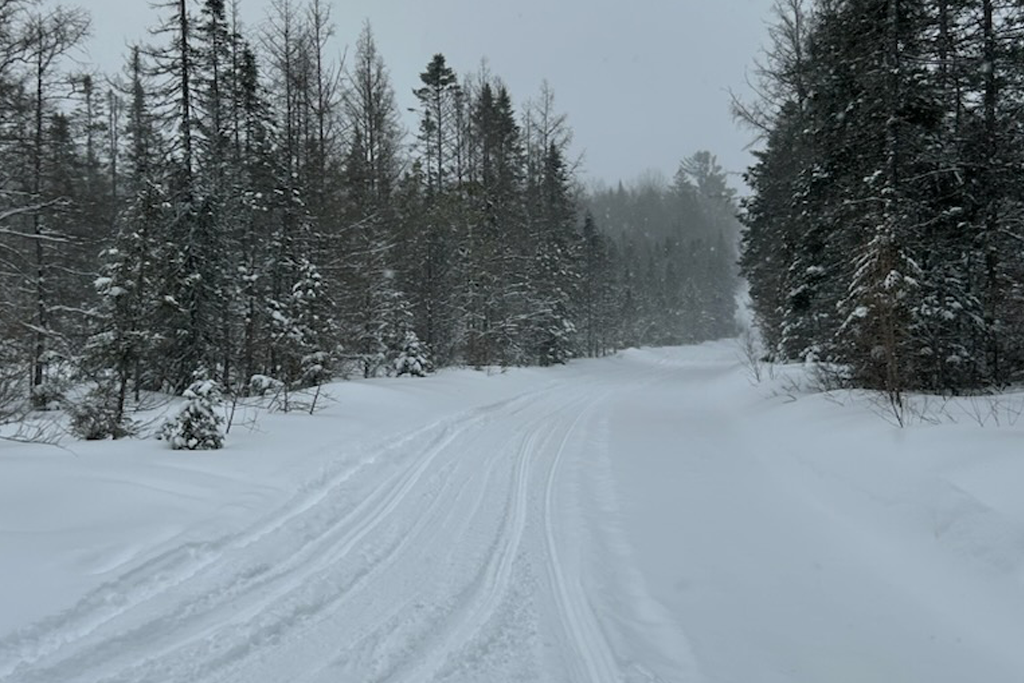
Wisconsin state forests and national forest trails are open year-round for snowshoeing and winter hiking. Many trails that are crowded in summer are completely empty in January. The Chequamegon-Nicolet National Forest maintains winter trail maps. Basic snowshoes cost $30–50 at sporting goods stores and give you access to terrain that's impractical to reach in summer.
Cross-country skiing
The American Birkebeiner corridor near Cable and Hayward is one of the finest groomed XC ski venues in North America — the Birkie Trail hosts North America's largest cross-country ski race each February, drawing 10,000+ skiers. Nicolet National Forest maintains groomed trails for free. The terrain is rolling and accessible to intermediate skiers.
Wood stove evenings
This sounds like it belongs in a different category but it's genuinely an activity: coming in from the cold to a cabin with a wood stove or fireplace, with a card game or a book, after a day on the ice or trails, is the essential northwoods winter experience. It's what people actually remember. Look for cabins with wood stoves or fireplaces when booking.
Winter Cabin Packing Essentials
Wisconsin winter requires preparation but is not extreme. Base layer: merino wool or synthetic — no cotton. Mid layer: fleece. Outer layer: insulated waterproof jacket and pants. Hands: liner gloves plus insulated waterproof mittens. Feet: waterproof insulated boots rated to -20°F minimum (Sorel, Baffin, or similar). Head: a hat that covers the ears and a neck gaiter. Sunglasses: snow glare causes real eye strain on sunny January days.
For the cabin: the property should be fully winterized with heat before you arrive. Confirm this with the property manager before booking a winter stay. If snowmobiling, check the local trail report before hitting the trails — fresh grooming makes an enormous difference. Carry a trail map (paper or downloaded app — cell coverage is unreliable in northern Wisconsin forests).
Wisconsin Winter FAQ
Is Wisconsin worth visiting in winter?↓
What do people do in northern Wisconsin in winter?↓
When does it snow in northern Wisconsin?↓
Are cabins open in winter in Wisconsin?↓
Related Guides
 Seasonal
Snowmobile Trails in Wisconsin: The Complete Guide
30,000 miles of groomed trails make Wisconsin one of the best snowmobiling destinations in the country
 Seasonal
Winter Trails in Wisconsin: Snowshoeing, Skiing, and Hiking
The best groomed and backcountry winter trails across Wisconsin's northwoods
 Seasonal
Ice Fishing in Wisconsin: The Complete Guide
When to go, how to stay safe, the best lakes near Spooner, and everything you need to catch fish through the ice
Ready to Book?
Browse lakefront cabins near Spooner — book direct, no service fees.
Browse Vacation Rentals →In This Guide
8 min read
Updated April 2026
Featured Towns